Can Belly Fat Cause Erectile Dysfunction: What The Research Says?
Belly fat is generally seen as a concern of appearance. But this can also affect your overall health, including your sexual health. Many men with excessive abdominal fat might experience symptoms of Erectile dysfunction, which can also sometimes be linked to changes in blood flow, hormones, and metabolic health.
But the question arises: ” Does belly fat actually cause ED?” and can losing weight help to improve it? In this blog, we will explore the connection between belly fat and erectile dysfunction, its possible causes, and when to see a doctor.
What Is Erectile Dysfunction?
Erectile dysfunction (ED) is a common condition in which a man has difficulty achieving or maintaining a firm erection for sexual activity. This condition can be linked to problems with blood flow, hormonal imbalances, nerve signals, or other underlying health conditions. Beyond its physical effects, ED can also contribute to stress, anxiety, and reduced self-confidence [1].
Link Between ED And Obesity
Obesity is associated with a higher risk of erectile dysfunction. The extra body fat can contribute to conditions such as high blood pressure, diabetes, insulin resistance, and cardiovascular disease. All of these conditions can affect the blood vessels and nerves involved in achieving an erection.
Obesity may also be associated with lower testosterone levels and increased inflammation, which can further affect sexual function. A healthy erection depends on adequate blood flow and proper nerve and hormonal function; these changes may make it more difficult to achieve or maintain an erection.
However, this also helps improve overall health through weight management, regular physical activity, a balanced diet, and treatment of underlying conditions, which may help support erectile function.
In a 2019 review, it was stated that obesity can increase the risk of inflammation and oxidative stress in the body’s cells and tissues. This might lead to certain health issues that may contribute to ED [2].
Can Belly Fat Cause ED?
Yes, belly fat can contribute to a higher risk of erectile dysfunction (ED). Excess abdominal fat is associated with several changes that can affect erections, such as:
- Poorer blood vessel health: Erections depend on good blood flow, and abdominal obesity is linked with cardiovascular and vascular problems.
- Hormonal changes: Higher levels of body fat are associated with lower testosterone levels.
- Insulin resistance: Excess belly fat can increase the risk of insulin resistance and type 2 diabetes, which can damage blood vessels and nerves involved in erections.
- Chronic inflammation: Obesity can promote inflammation that may negatively affect vascular and metabolic health.
- Higher cardiovascular risk: Conditions such as high blood pressure and high cholesterol are more common with obesity and are also associated with ED [2,3].
How Does Belly Fat Cause ED?
Belly fat, also known as abdominal fat, is more than a cosmetic concern. Excess fat around the abdomen is associated with metabolic and cardiovascular changes that may affect erectile function. A healthy erection depends on proper blood flow, healthy nerves, and balanced hormones. These changes can make it harder to achieve or maintain an erection.
- It can affect blood flow:
A firm penile erection requires sufficient blood to flow into the penis. Excess abdominal fat is associated with conditions such as high blood pressure, high cholesterol, and blood vessel dysfunction. These conditions can interfere with healthy circulation. The reduced blood flow may make it more difficult to achieve or maintain an erection.
- It may affect testosterone levels:
Higher amounts of body fat might contribute to lower testosterone levels in some men. Testosterone levels play an important role in sexual desire and reproductive health. However, lower testosterone is a possible factor in ED.
- It can increase the risk of insulin resistance:
Belly fat is associated with insulin resistance and an increased risk of type 2 diabetes. With time, diabetes can damage blood vessels and nerves, and both are important for normal erectile function.
- It may promote chronic inflammation:
Excess body fat can contribute to a state of chronic, low-grade inflammation. This may negatively affect blood vessel health and metabolic function. This might potentially contribute to erectile difficulties.
- It is linked to cardiovascular health:
The same vascular risk factors associated with abdominal obesity can also increase the risk of ED. However, in some men, erectile difficulties may appear before other noticeable symptoms of cardiovascular disease [4].
Does Losing Belly Fat Help To Improve ED?
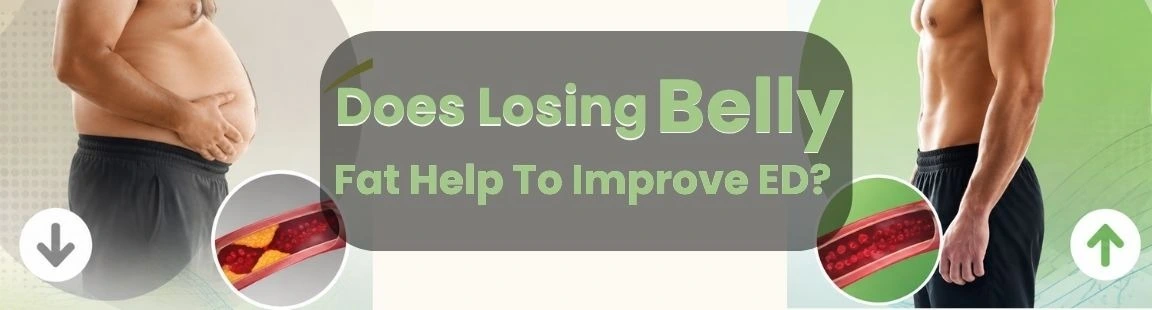
Losing excessive belly fat might help improve the symptoms of erectile function, particularly in men whose ED is linked with obesity, insulin resistance, poor cardiovascular health, or lower testosterone levels. Weight loss supports better blood circulation, improves metabolic health, and reduces some of the risk factors associated with ED.
Regular physical activity along with a balanced diet can help improve heart and blood vessel health, which is important because adequate blood flow is necessary for achieving and maintaining an erection.
However, weight loss may not completely resolve ED in every man. Erectile dysfunction can have several causes, including diabetes, cardiovascular disease, medications, hormonal problems, anxiety, and other medical conditions.
You can follow certain healthy ways to reduce belly fat:
- Engage in regular aerobic and strength-training exercise.
- You can eat a balanced diet rich in vegetables, fruits, whole grains, lean proteins, and healthy fats.
- Always limit your highly processed foods and excess added sugars.
- Maintain a healthy sleep routine.
- Try to limit alcohol and avoid smoking.
- Work with a healthcare professional if you have diabetes, high blood pressure, or other underlying health conditions [3].
Other Common Causes Of ED
Excessive belly fat and obesity can increase the risk of erectile dysfunction, but they are not the only possible causes. ED can result from certain physical health conditions, medications, lifestyle factors, or psychological issues.
- Diabetes:
High blood sugar levels can damage the blood vessels and nerves involved in erections. Men suffering from diabetes may therefore have a higher risk of developing ED.
- Heart and Blood Vessel Problems:
Certain conditions such as high blood pressure, high cholesterol, atherosclerosis, and cardiovascular disease can affect blood flow to the penis. This makes it difficult to achieve or maintain an erection.
- Hormonal Imbalances:
Lower testosterone levels and certain thyroid or other hormonal disorders can affect sexual desire and erectile function.
- Medications:
Some medications, such as certain drugs used to treat high blood pressure, depression, and other health conditions, may contribute to ED as a side effect.
- Stress and Anxiety:
Different psychological factors such as stress, anxiety, performance anxiety, and relationship difficulties can interfere with the signals between the brain and the body that are involved in an erection.
- Depression:
Depression can reduce your sexual desire and might also make it more difficult to achieve or maintain an erection. Antidepressant medications might contribute to sexual side effects as well.
- Smoking and excessive alcohol use:
Smoking damages blood vessels and reduces healthy circulation. Excessive alcohol consumption might also interfere with sexual function and hormonal levels.
- Nerve or pelvic problems:
Conditions that affect the nerves involved in erections, as well as certain pelvic injuries or surgeries, can contribute to ED.
- Lack of physical activity:
A sedentary lifestyle can contribute to obesity, cardiovascular problems, and poor metabolic health, all of which may increase the risk of erectile difficulties [5].
Treatment Options For ED
Erectile dysfunction can usually be treated, but the best approach depends on its underlying cause. The treatment options may include lifestyle changes, medication, counselling, or other medical options.
Lifestyle changes : Losing excessive weight, exercising regularly, eating a balanced diet, quitting smoking, limiting alcohol, and managing stress can support better erectile function and overall health.
Oral medications : PDE-5 inhibitors such as vardenafil (generic Levitra), tadalafil (generic Cialis), and vardenafil (generic levitra) can improve blood flow to the penis and are commonly used to treat ED.
Treating underlying conditions : Managing diabetes, high blood pressure, high cholesterol, or hormonal problems may help improve ED.
Counselling or therapy : If stress, anxiety, depression, or relationship concerns contribute to ED, counselling or sex therapy may be helpful.
Other treatments : When tablets are unsuitable or don’t work, there are other options such as vacuum erection devices, alprostadil injections or urethral treatments, and penile implants may be considered with a healthcare professional [6].
When To See A Doctor?
You can see a doctor if:
- ED is persistent or recurring, especially if it has lasted several weeks.
- You have significant belly fat/weight gain, particularly with high blood pressure, high cholesterol, diabetes, or a family history of heart disease.
- Your sex drive has reduced, fatigue, or you have other symptoms that could suggest hormonal or metabolic problems.
Conclusion
Belly fat and erectile dysfunction are associated with each other because excess abdominal fat might affect blood flow, hormones, and metabolic health. Losing belly fat improves overall health and might help with ED. Certain factors such as diabetes, heart problems, medications, stress, smoking, and alcohol might also contribute to ED. It is important to maintain a healthy lifestyle along with physical exercise on a regular basis. You can see a doctor for persistent ED symptoms to improve your sexual and overall health.
Frequently Asked Questions
Why does belly fat affect testosterone levels?
Yes, higher levels of body fat might be associated with lower testosterone levels, which can affect your sexual desire and erectile function.
Is ED always caused by belly fat?
No, ED is not always caused by belly fat. Some of the other conditions associated with ED are diabetes, heart disease, medications, stress, anxiety, hormonal problems, smoking, and alcohol use.
Can belly fat cause erectile dysfunction?
Yes, excess belly fat can increase the risk of ED by affecting blood flow, hormones, insulin sensitivity, and overall cardiovascular health.
Can exercise reduce belly fat and improve ED?
Yes, regular aerobic exercise and strength training can help with weight management, improve circulation, and support better erectile function.
References
- Erectile dysfunction, Wikipedia
- Can Belly Fat Cause Erectile Dysfunction? hims.com
- Is Belly Fat a Significant Risk Factor for ED? gainswavejax.com
- Men: Is Obesity Affecting Your Sex Life? obesityaction.org
- What to know about obesity and erectile dysfunction, medicalnewstoday.com
- Erectile dysfunction (impotence),nhs.uk