Premature Ejaculation
Premature ejaculation (PE) is one of the most common male sexual health problems affecting men of all ages. It occurs when ejaculation happens sooner than 3 minutes during sexual activity, often leading to frustration, reduced confidence, and relationship challenges. While occasional episodes are normal, persistent premature ejaculation can impact overall sexual satisfaction and quality of life.
Fortunately, premature ejaculation is a treatable condition. A range of effective solutions is available, including delay sprays, topical creams, behavioral techniques, pelvic floor exercises, and prescription treatments. Understanding the causes, symptoms, and treatment options can help men take control of their sexual health and improve performance and confidence.
What Is Premature Ejaculation?
Premature ejaculation (PE) is a common men’s sexual health condition in which a man ejaculates sooner than the normal ejaculation time (3 minutes) during sexual activity. It occurs before or shortly after penetration and can lead to frustration, distress, reduced sexual satisfaction, or relationship difficulties. PE can be lifelong, beginning with a person’s earliest sexual experiences, or acquired later in life after a period of normal sexual function. The condition may be influenced by psychological factors such as stress, anxiety, depression, or performance concerns, as well as physical factors including hormonal imbalances, prostate problems, or increased penile sensitivity. Although occasional episodes are common and usually not a cause for concern, persistent premature ejaculation can often be effectively managed through behavioral techniques, counseling, pelvic floor exercises, or medications prescribed by a healthcare professional.
What Are The Symptoms Of Premature Ejaculation?
The following are the symptoms of Premature Ejaculation (PE):
- Difficulty delaying or controlling ejaculation.
- Ejaculation occurring before or shortly after penetration.
- Feeling frustrated, embarrassed, or distressed about ejaculation timing.
- Avoiding sexual intimacy because of concerns about ejaculating too quickly.
- Reduced sexual satisfaction for the individual or their partner.
- Anxiety, stress, or worry related to sexual performance.
- Ongoing or recurrent episodes of early ejaculation rather than occasional instances.
An occasional episode of early ejaculation is common and does not necessarily indicate PE. It is typically considered PE when it happens frequently and causes personal distress or relationship difficulties.
What Are The Causes Of Premature Ejaculation?
The causes of PE are often a combination of psychological, biological, and relationship factors rather than a single identifiable problem.
Psychological factors
- Performance anxiety.
- Stress (work, financial, family, etc.)
- Depression or low mood
- Guilt or negative feelings about sex
- Relationship difficulties
- Early sexual experiences that encouraged rapid ejaculation
Biological factors
- According to the Mayo Clinic, PE can arise due to differences in brain chemicals involved in sexual response, particularly serotonin.
- Hormonal abnormalities (less common).
- Inflammation or infection of the prostate or urethra.
- Genetic predisposition.
- Increased sensitivity of the penis in some individuals.
Associated medical conditions
- Erectile Dysfunction (some men rush ejaculation because they are concerned about losing their erection).
- Certain thyroid disorders, especially Hyperthyroidism.
- Chronic pelvic pain or prostatitis in some cases.
What Are The Types Of Premature Ejaculation?
Premature ejaculation (PE) is commonly classified into two main types:
Lifelong (Primary) Premature Ejaculation:
- Present from a person’s first sexual experiences.
- Ejaculation occurs very quickly during nearly all or all sexual encounters.
- The pattern remains consistent over time.
- Often linked to biological, genetic, or neurochemical factors.
Acquired (Secondary) Premature Ejaculation:
- Develops after a period of previously normal ejaculation control.
- May occur gradually or suddenly.
- Can be associated with psychological factors (stress, anxiety, relationship difficulties) or physical conditions such as erectile dysfunction, prostate problems, thyroid disorders, or certain medications.
How Is Premature Ejaculation Diagnosed?
Premature ejaculation is diagnosed mainly through a detailed medical and sexual history rather than a specific laboratory test. A healthcare provider evaluates whether ejaculation consistently occurs sooner than desired, whether the individual has difficulty delaying ejaculation during sexual activity, and whether the condition causes personal distress, frustration, or relationship problems. The doctor may ask about the duration of symptoms, whether the problem occurs in all sexual situations or only certain ones, and whether there are associated issues such as anxiety or Erectile Dysfunction. In some cases, a physical examination or additional tests may be performed to identify underlying medical conditions, such as Hyperthyroidism or other hormonal abnormalities. Based on this assessment, premature ejaculation may be classified as lifelong (present since the onset of sexual activity) or acquired (developing after a period of normal sexual function).
Treatment Options For Premature Ejaculation
Premature ejaculation (PE) is a common sexual concern. Treatment depends on how often it occurs, how distressing it is, and whether there are contributing factors such as anxiety, relationship issues, erectile dysfunction, or medical conditions.
Behavioral techniques : These can help many people, especially for mild to moderate PE:
Stop-start technique : Sexual stimulation is paused when ejaculation feels imminent, then resumed after the urge decreases.
Squeeze technique : The penis is gently squeezed near the head when ejaculation is close, reducing arousal temporarily.
Pelvic floor exercises (Kegels): Strengthening pelvic floor muscles may improve ejaculatory control.
Masturbating before sex: For some people, this can delay ejaculation during partnered sex.
Psychological and sex therapy : If stress, anxiety, performance concerns, depression, or relationship difficulties contribute to PE, therapy can be helpful:
Cognitive behavioral therapy (CBT)
- Sex therapy
- Couples counseling
Medications
A healthcare professional may recommend medications, including Selective serotonin reuptake inhibitors (SSRIs) such as Dapoxetine, and topical anesthetics such as creams or sprays containing lidocaine, such as Stud 5000, to reduce penile sensitivity.
Lifestyle considerations
- Regular exercise.
- Adequate sleep.
- Reducing excessive alcohol use.
- Managing stress and anxiety.
- Open communication with a partner.
Preventive Measures For Premature Ejaculation
The following are the preventive measures for premature ejaculation:
- Reduce stress and anxiety through relaxation techniques.
- Exercise regularly and maintain a healthy lifestyle.
- Avoid excessive alcohol and recreational drugs.
- Get adequate sleep.
- Practice pelvic floor (Kegel) exercises.
- Use behavioral techniques such as the stop-start or squeeze method.
- Communicate openly with your partner to reduce performance pressure.
- Seek medical advice if symptoms are persistent or causing distress.
When To See A Doctor?
Premature ejaculation (PE) is common, and occasional episodes are usually not a cause for concern. However, it’s a good idea to see a doctor if:
- You frequently ejaculate within about 1-3 minutes of penetration, and this happens most or nearly all of the time.
- You are unable to delay ejaculation during most sexual encounters.
- The problem is causing distress, frustration, anxiety, relationship difficulties, or avoidance of intimacy.
- The issue has developed recently after previously having normal control over ejaculation.
- You have other symptoms such as erectile difficulties, pain, urinary symptoms, or changes in sexual desire.
- You suspect an underlying medical condition, medication side effect, or mental health concern may be contributing.
A doctor can help determine whether the problem is:
- Lifelong PE (present since becoming sexually active), or
- Acquired PE (developed later in life), because the causes and treatments may differ.
Effective treatments are available and may include:
- Behavioral techniques and exercises.
- Counseling or sex therapy.
- Treatment of underlying conditions such as anxiety or erectile dysfunction.
- Medications prescribed by a healthcare professional.
If the problem is persistent or causing significant distress, consider seeing a urologist or a healthcare provider with experience in sexual health.
If you’d like, I can also explain how doctors diagnose premature ejaculation and what treatments are most effective.
Medi Value Rx: An Indian Pharmaceutical Supply Platform
Medi Value Rx is an online pharmacy that provides genuine medicines. It sources products from established and reputable pharmaceutical manufacturers.
- The company focuses on product quality, safety, and customer satisfaction.
- It offers free worldwide shipping with no hidden delivery charges.
- Customers can use an easy return and refund policy for a smooth experience.
- Payments are safe and secure to protect personal and financial information.
- Customer support is available 24/7 to answer questions and provide help.
- The company aims to deliver orders on time and process them efficiently.
- All packages are shipped in discreet packaging to protect customer privacy.
- The website is simple to use, making it easy to browse products and place orders.
Overall, our platform aims to make healthcare products more accessible, affordable, and reliable for customers worldwide.
Showing all 3 results
-
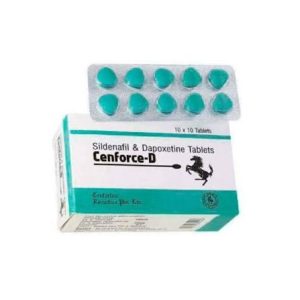
Cenforce D 100+60 mg
Price range: $55.10 through $163.20From $1.36 per pillSelect options This product has multiple variants. The options may be chosen on the product page -

Stud 5000 spray
Price range: $44.28 through $127.80From $14.20 per pillSelect options This product has multiple variants. The options may be chosen on the product page -
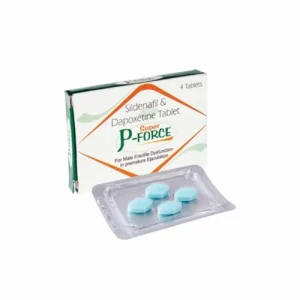
Super P Force 100+60 mg
Price range: $38.21 through $128.80From $1.61 per pillSelect options This product has multiple variants. The options may be chosen on the product page
Frequently asked questions
Is premature ejaculation common?
Can anxiety cause premature ejaculation?
Is premature ejaculation a permanent condition?
Is premature ejaculation different from erectile dysfunction?
Can premature ejaculation affect fertility?
Ordering with confidence
Every order is genuine, licensed, and shipped discreetly worldwide.
WLF20B2025UP001867WLF21B2025UP00185610 Mar 2030Govt. of U.P. · D&C Act 1940